


Summary
Boliden Odda demonstrates how sustainable zinc smelting can be achieved at industrial scale. For over 40 years, Endress+Hauser has supported the site with measurement technology and process transparency. Through renewable hydropower, underground residue disposal, recovery of valuable metals from waste streams and data-driven process optimization, Boliden Odda has built one of the world's most climate-effective zinc smelters. The result is a reduced environmental footprint, improved resource efficiency and a planned capacity increase from 200 to 350 kilotonnes of zinc per year.
The results:
Waste isolation
Stored deep underground - 4 MCM of capacity
Circular production
40,000 t per year of resources reclaimed
Green energy
100% hydropower supplied
Low footprint
946 kt greenhouse gas emissions
How is Boliden Odda making zinc production more sustainable?
Responsible waste management through underground disposal
A key milestone in Boliden’s sustainability journey dates back to the late 1990s. At that time, the plant introduced a new approach to residue management. Instead of disposing of hazardous materials on the surface, residues are pumped into deep caverns in the surrounding mountains, where they are safely isolated. Compared to conventional surface disposal, this solution significantly reduces long-term environmental risks.
Turning waste into valuable resources
Building on this foundation, Boliden Odda later invested in processes that transform former waste streams into valuable products. By using chemical treatment and heating, residues are processed into around 40,000 tonnes per year of so-called Odda leach product. Valuable metals such as silver and lead are selectively recovered. What was previously considered waste is now part of a more circular value chain.
Reliable measurement data and long-term process transparency play a key role in controlling precipitation steps and ensuring stable separation of silver chloride and lead chloride.
Energy efficiency powered by renewable hydropower
Zinc smelting generates large amounts of excess heat, which is systematically recovered and reused within the plant.
The site is supplied exclusively with renewable electricity from hydropower generated by nearby waterfalls. The power plant is located roughly one kilometer away on the fjord. This combination contributes to a very low CO₂ footprint for zinc production of this scale.
Sustainable performance across the value chain
From raw materials arriving by ship to refined zinc leaving the plant, Boliden Odda demonstrates how green energy, advanced process design and reliable instrumentation can be combined into a state-of-the-art zinc value chain. The result is an electrolytic zinc plant with one of the lowest carbon footprints in its class.
Reliable measurement technology and continuous process transparency support these sustainability and efficiency initiatives across the entire value chain.

"At our plant, we operate under tough conditions, so reliable instrumentation is essential. We also value the flexibility to choose instrument variants that match our specific process requirements."
The challenge:
At the Odda site, Boliden operates its zinc smelting operations under increasing regulatory and societal pressure. Authorities and governments require the metals industry to significantly reduce environmental impact, manage hazardous waste more responsibly and build long-term strategies for sustainable operation rather than short-term compliance measures.
Historically, zinc smelting generated residues containing mercury and other toxic substances. Many zinc plants worldwide still store such materials on the surface in large tailing areas, creating long-term environmental risks and land-use challenges. In parallel, zinc production is highly energy intensive. Balancing high production volumes with low emissions and responsible resource use is a major challenge, particularly for large electrolytic zinc plants.
In response to these challenges, Boliden embarked on a long-term transformation of its operations in Odda. The ambition was to rethink the entire value chain, from raw material intake to refined zinc products, with a clear focus on reducing environmental impact, improving energy efficiency and turning waste into valuable resources.


Our solution:
Data-driven process optimization
Endress+Hauser has supported Boliden in Odda for around 40 years as a long-term partner for measurement technology and process transparency. The cooperation covers the entire production process, from raw material intake to zinc smelting and refining.
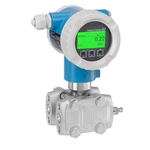
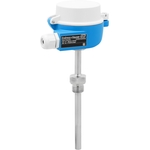
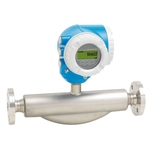
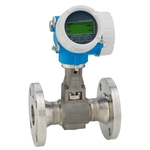
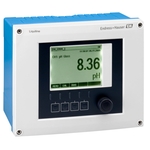
Flow, pressure and analytical measurements deliver reliable information across the entire plant. Digital communication via HART ensures seamless integration into Boliden’s central systems, supporting commissioning, stable operation, and continuous improvement. Boliden uses this data to optimize processes in a technically and environmentally sustainable way.


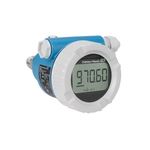

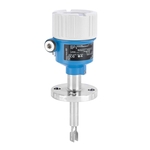
%20with%20flange%20connections%20for%20process%20applications%20-%20PP01.jpg "Picture of Electromagnetic flowmeter Proline Promag P 300 / 5P3B for process applications")
FAQs

